
The wonders of Plymouth Hoe
Celebrating a Plymouth Icon
There are some places in Plymouth that are so familiar, we tend to take them for granted.
We walk past them, meet friends beside them, and take photos of them when visitors come to stay.
And then, every now and again, we stop and remember just how remarkable they actually are.
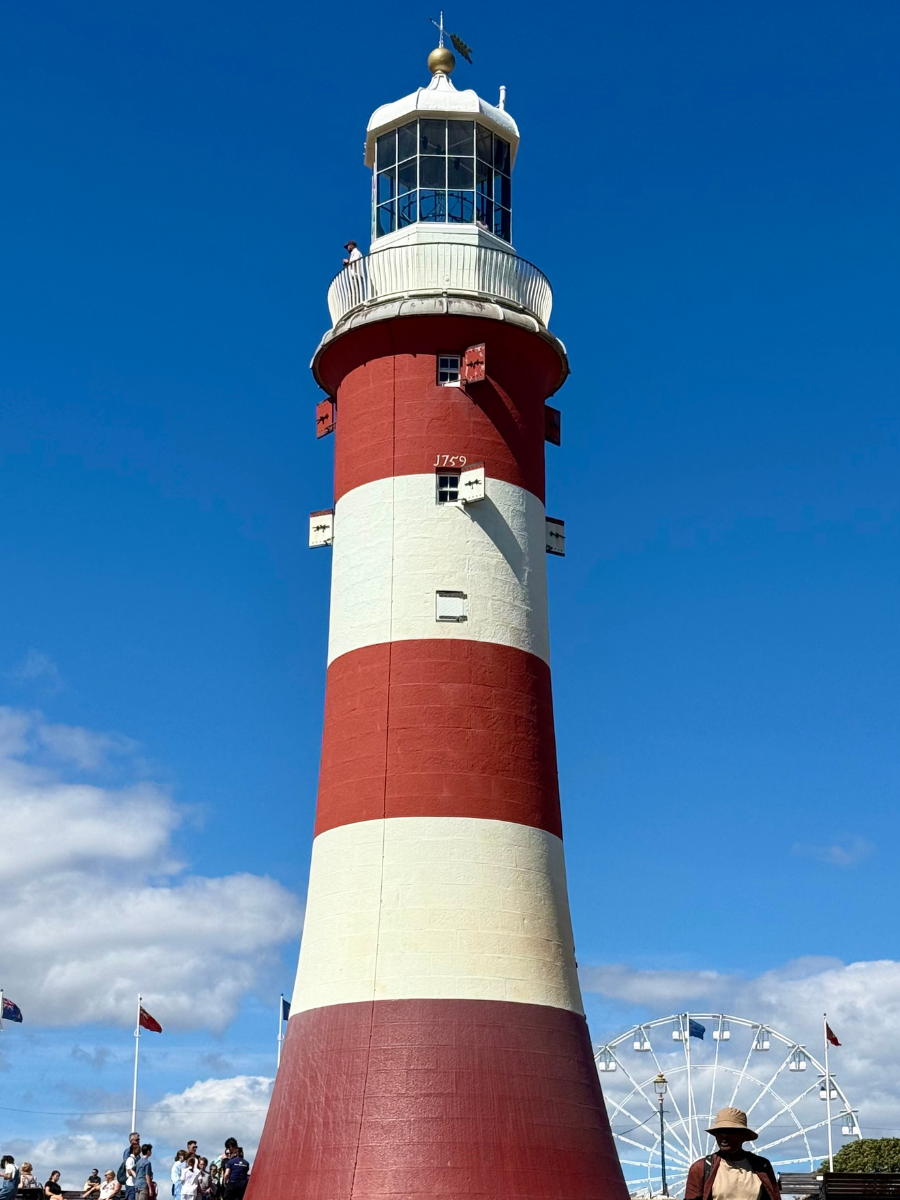
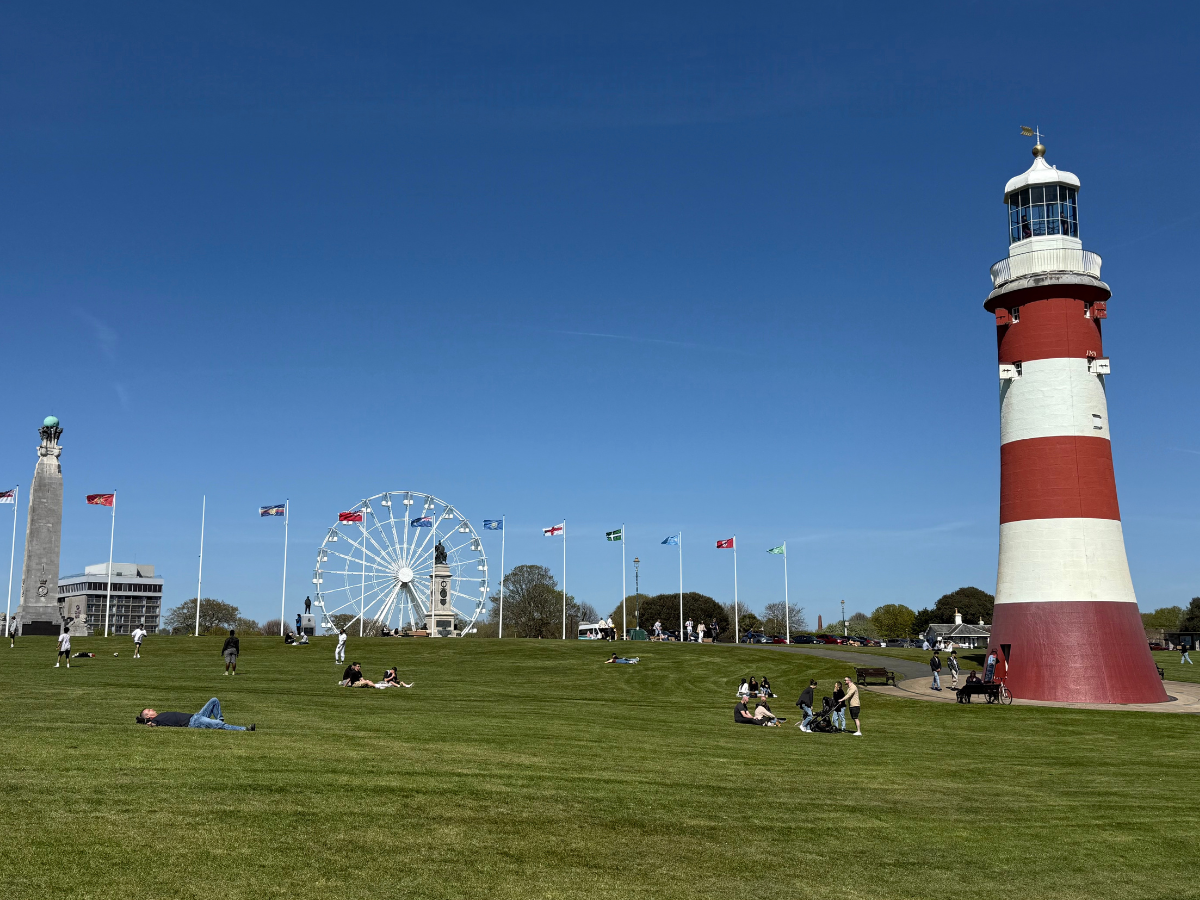
Smeaton’s Tower is perhaps the best example.
Standing proudly on Plymouth Hoe, it’s become one of the most recognisable symbols of the city.
But the lighthouse you see today has travelled a rather extraordinary journey to get there.
Smeaton’s Tower was originally constructed on the Eddystone Reef, around 14 miles south-west of Plymouth.
The reef is a treacherous collection of rocks, much of it submerged even at low tide, and for centuries it presented a terrifying hazard to ships entering the English Channel.
Two lighthouses had already been built there before John Smeaton took on the challenge.
The first, designed by Henry Winstanley, was swept away during the Great Storm of 1703. Its replacement, built by John Rudyerd, survived for almost 50 years before being destroyed by fire in 1755.
Smeaton’s lighthouse was the third.
On The Rocks
Completed in 1759, it represented a remarkable feat of engineering. Smeaton used granite blocks on the outside and Portland stone inside, with the blocks cleverly dovetailed together.
The tower was given a slightly curved profile, inspired in part by the strength and shape of an oak tree, giving it a low centre of gravity and helping it withstand the enormous forces of the sea.
It was an extraordinary structure for its time. And it worked.
For more than 120 years, Smeaton’s lighthouse stood on the Eddystone Rocks, its bright light protecting ships from one of the most dangerous reefs in British waters.
Eventually, however, it became clear that the rock beneath it was being eroded by the sea.
The lighthouse itself was still strong. The problem was what it was standing on.
Rather than simply abandon such an important piece of engineering history, the decision was made to dismantle the upper part of the lighthouse and bring it ashore.
Stone by stone, it was taken apart.
The pieces were transported to Plymouth and carefully reconstructed on a new granite base on the Hoe. The rebuilt tower opened here in 1884.
And that’s why, when you stand beside Smeaton’s Tower today, you’re not looking at a replica. You’re standing beside a genuine piece of an 18th-century lighthouse that once stood in the middle of the English Channel.
Approximately two-thirds of the original structure survives on the Hoe.
And the story continues if you look out towards the horizon.
On a clear day, look out across the Sound and you can see the Eddystone Lighthouse that replaced Smeaton’s. If you imagine the view as a clock face, with Smeaton’s directly behind you, the Eddystone sits at about 12 o’clock.
There can’t be many places where you can stand beside a retired lighthouse and look out to sea at its successor.
Then there’s Plymouth Hoe…
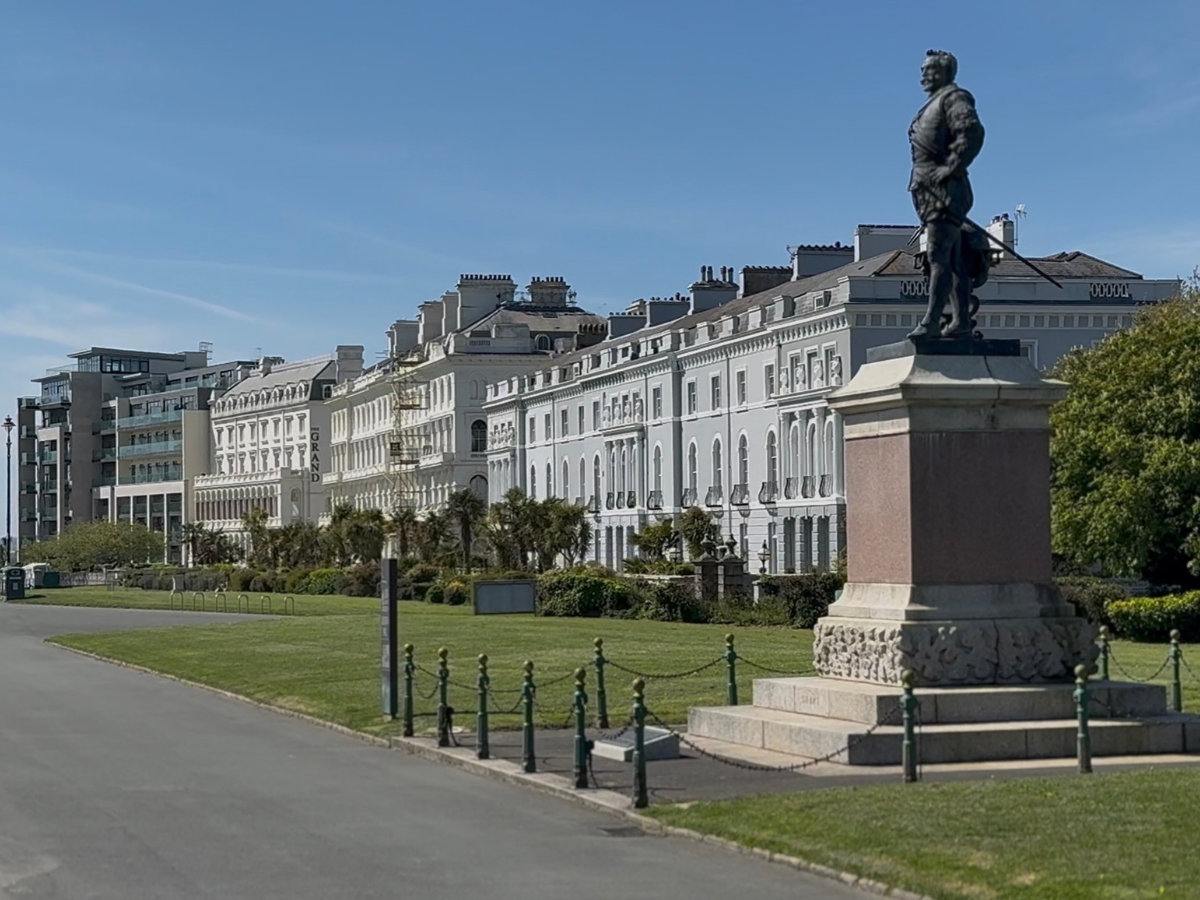
Of course, Smeaton’s Tower is only one small part of a much bigger story. The Hoe itself is one of Plymouth’s great characters.
It’s been a place of recreation, celebration, remembrance, defence and sometimes extraordinary historical drama. It’s an historic park overlooking Plymouth Sound and one of the world’s great natural harbours.
It’s also the place where, according to the famous story, Sir Francis Drake was playing bowls when news arrived that the Spanish Armada had been sighted.
Whether you believe he calmly finished his game before setting off or not, the story has become part of Plymouth folklore.
And centuries later, the Hoe would once again find itself at the centre of the nation’s history.
The Astors At Number 3
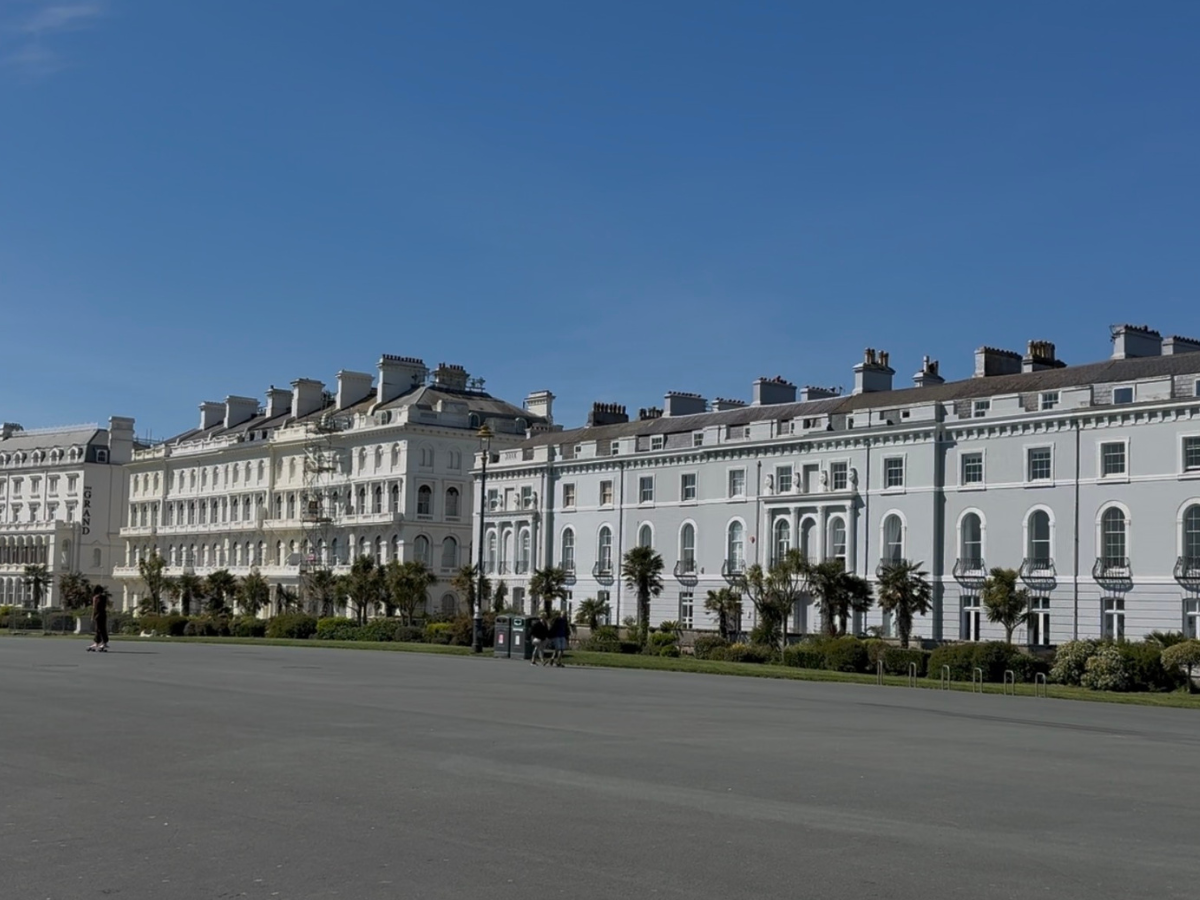
Turn towards the elegant terraces overlooking the sea and you’ll find another remarkable Plymouth connection.
Number 3 Elliot Terrace was bought by Waldorf Astor in 1908.
His wife, Nancy Astor, would go on to make history in 1919 when she became the first woman to take her seat in the House of Commons, representing Plymouth Sutton.
She remained the city’s MP until 1945.
During World War II, Nancy and Waldorf established themselves at Elliot Terrace. Nancy was also Lady Mayoress of Plymouth during the Blitz.
As the city endured devastating bombing raids, she became a familiar figure in shelters and among the people of Plymouth, offering encouragement and helping where she could.
Even Elliot Terrace itself was damaged during the raids.
Today, Number 3 is the Lord Mayor’s official residence.
So when you stroll along the Hoe, you’re walking through a landscape where the stories of engineering, maritime history, politics and war are all sitting remarkably close together.
And that’s perhaps what makes the Hoe so special.
Click on each image to open a full size version
Steeped In History
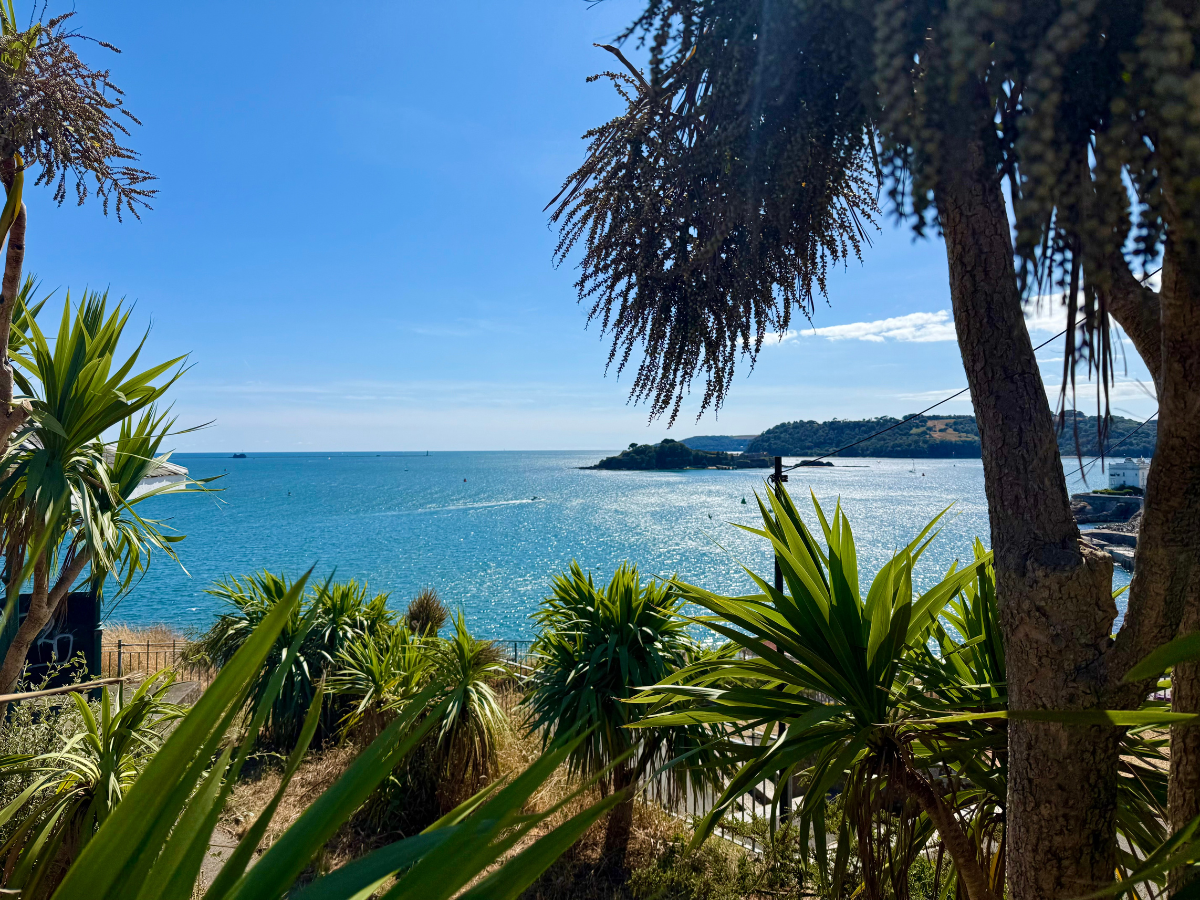
The view from Smeaton’s Tower is almost a history lesson in itself.
Look out across the Sound and you’ll see Drake’s Island sitting at around two o’clock, a familiar landmark with a history stretching back centuries.
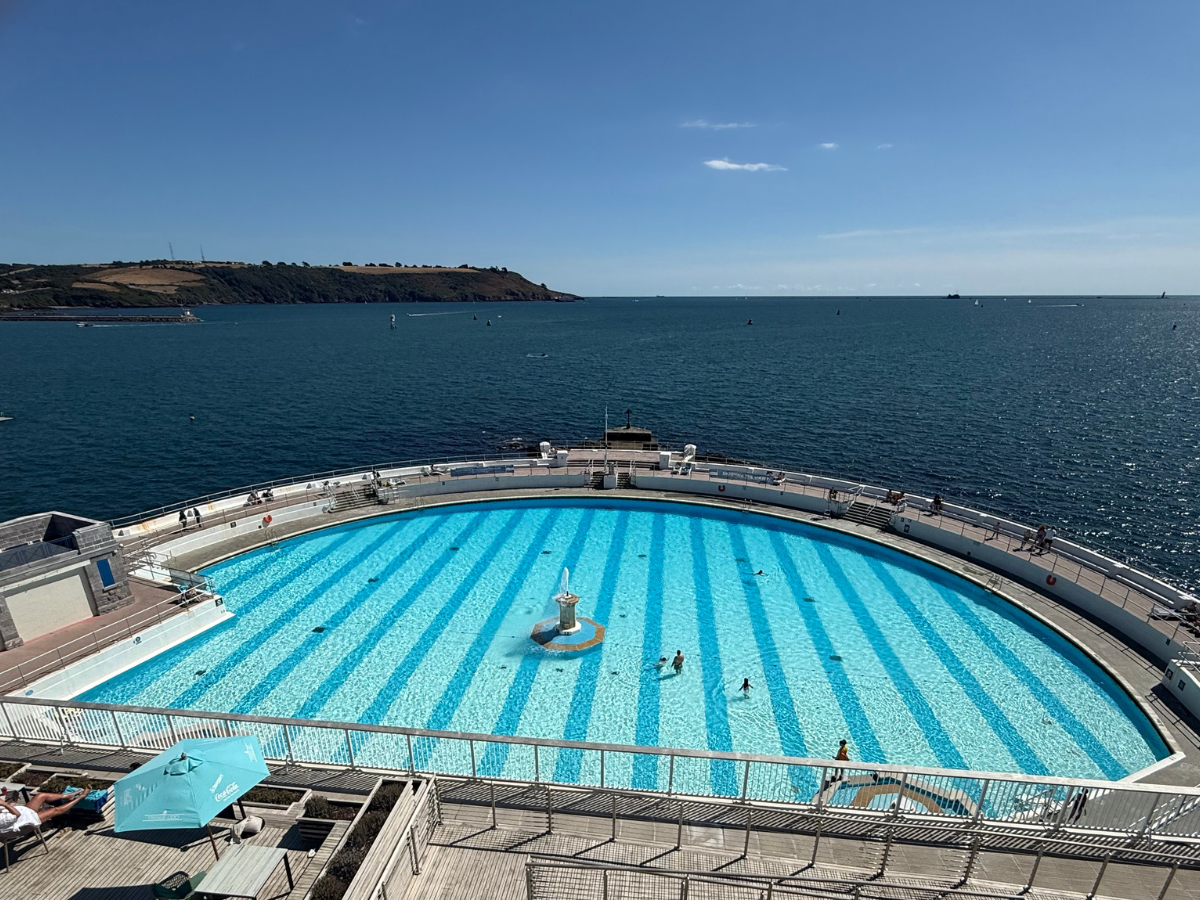
Closer to home is Tinside Lido, the beautiful Art Deco seawater pool built in 1935 and still attracting swimmers today.
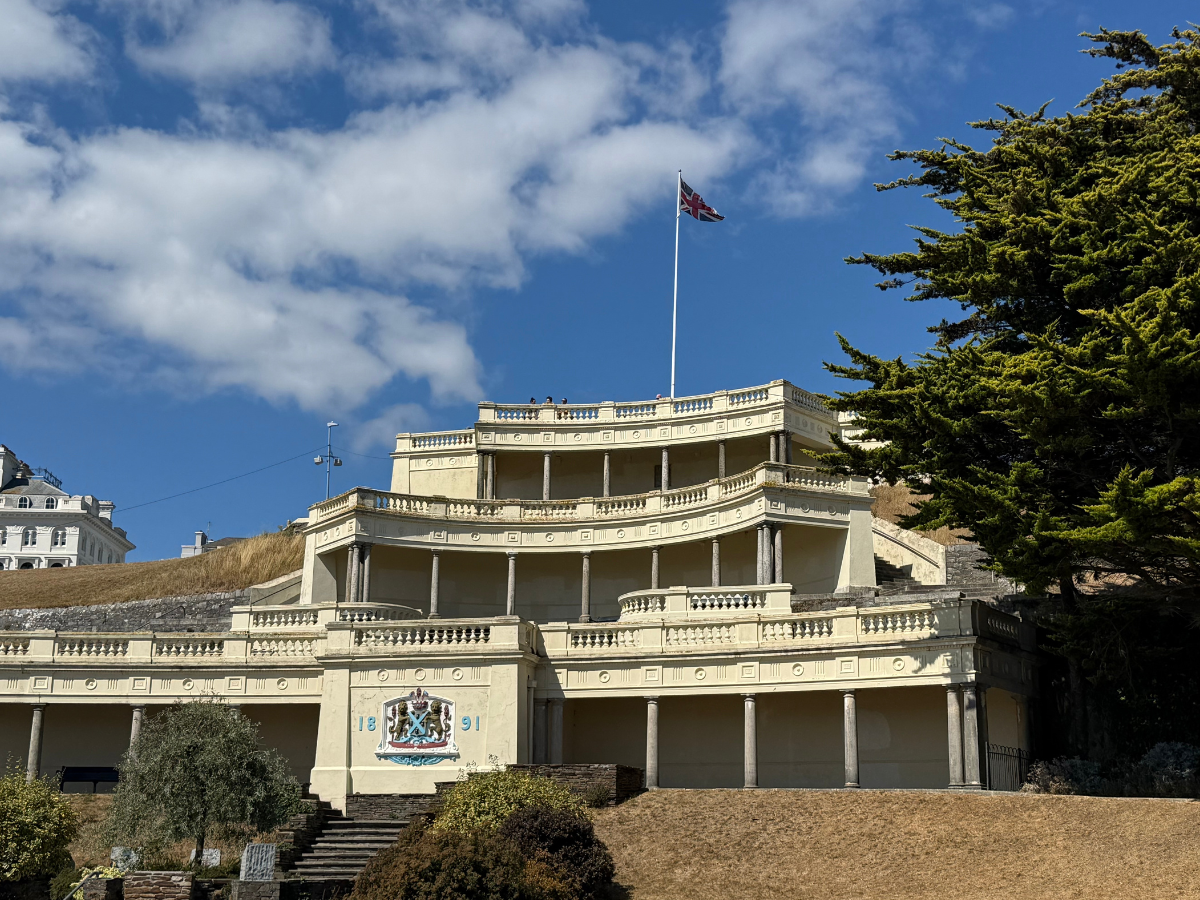
And if you look up at the Hoe from the seafront, you can’t miss the white-painted Belvedere – affectionately known as the ‘Wedding Cake’ – a distinctive Victorian landmark overlooking the Sound.
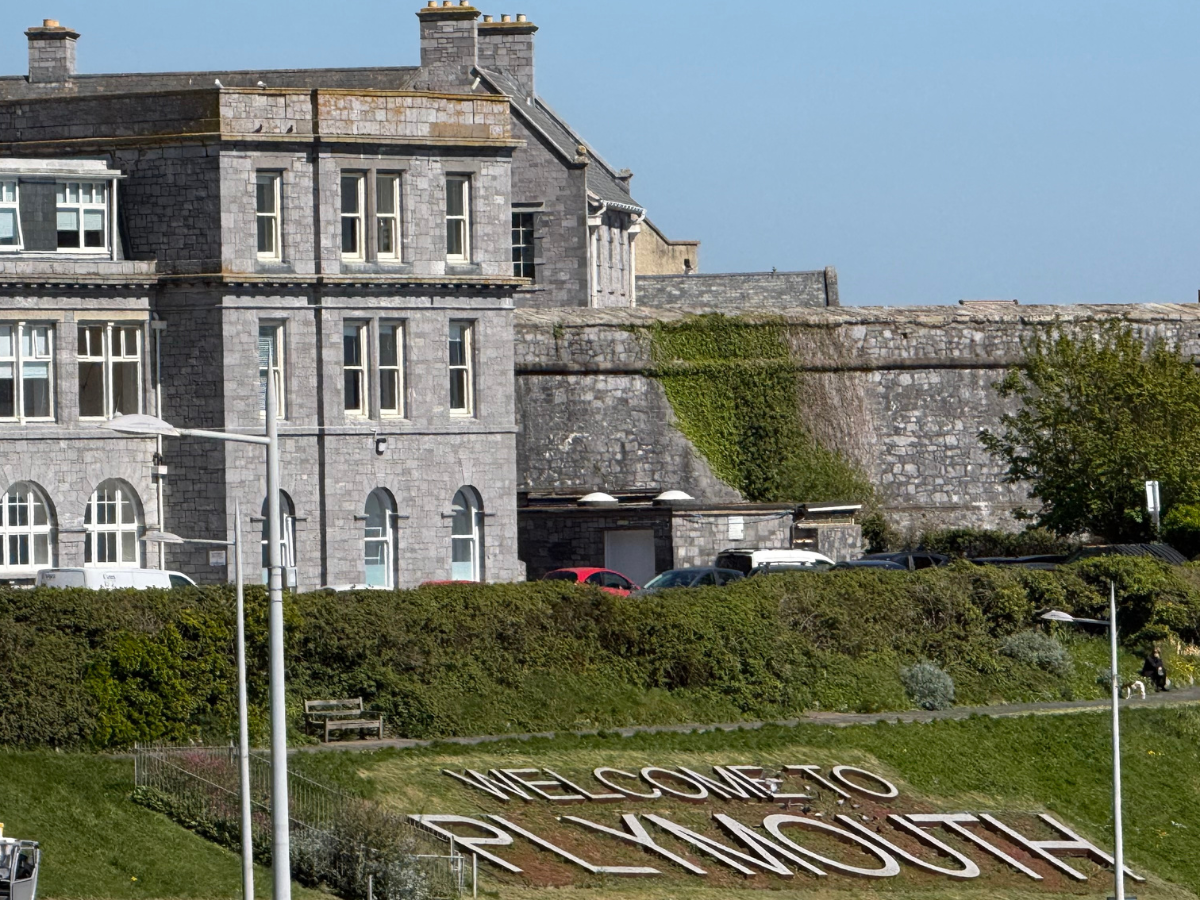
Then there’s the Royal Citadel, the great fortress built in the 17th century to defend Plymouth against attack from the sea.
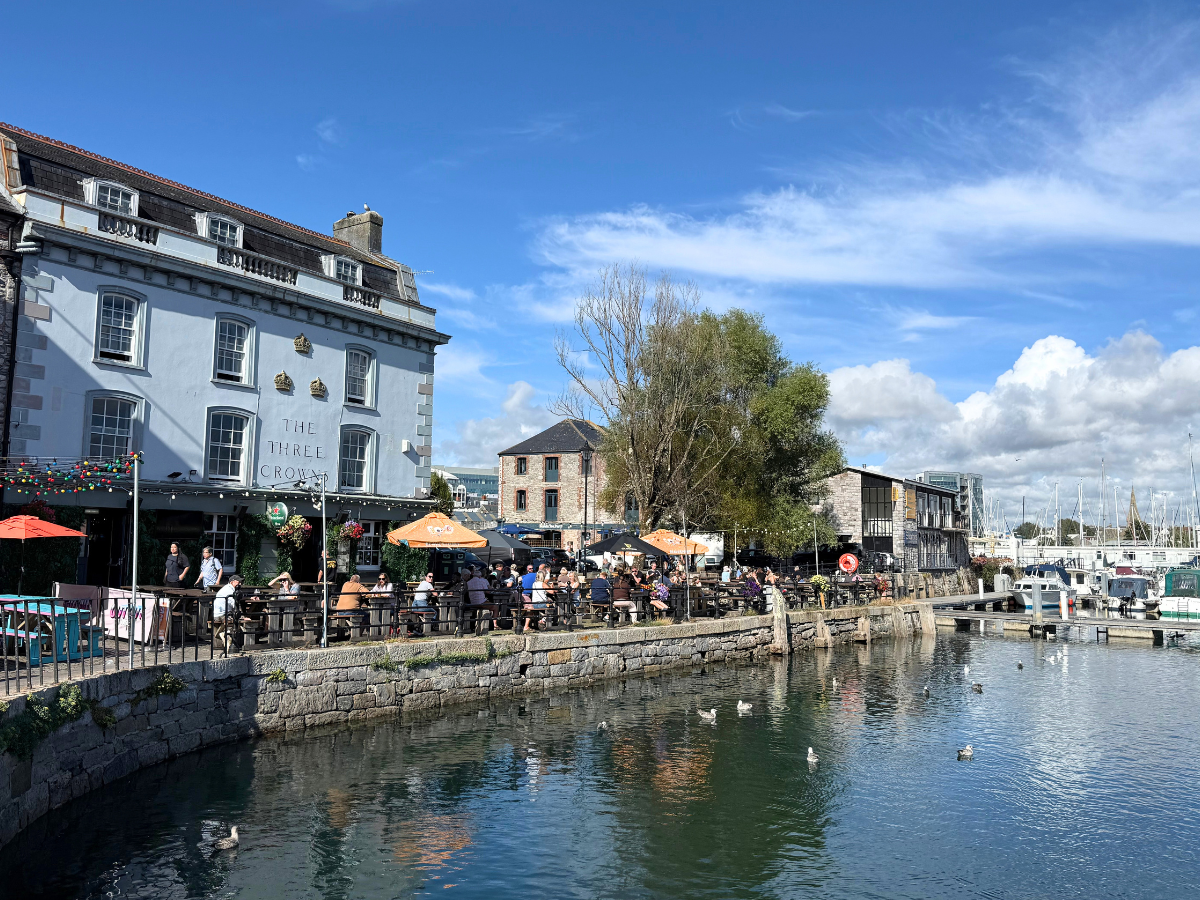
And just a short walk away, The Barbican - with its cobbled streets, popular hostelries, The Mayflower Steps and The National Marine Aquarium. The list goes on!
Each has its own story. And each deserves more than a passing sentence. But that’s another feature for another day.
Smeaton’s Tower is now a Grade I listed building and one of the city’s defining landmarks.
You can climb its stone stairs and look out across the Sound from the lantern room, just as generations of visitors have done.
But even if you never climb those steps, it’s worth stopping for a moment the next time you pass.
Take a closer look
Look at the stone. Look out towards the Eddystone. Look back towards the terraces.
And remember you aren’t simply standing beside a lighthouse.
You’re standing in a place where centuries of Plymouth’s stories meet, where history is commemorated, events and celebrations take place and where people dance (see below!).
A lighthouse built in the middle of the sea. A city shaped by its relationship with that sea.
A politician who made history, a famous naval story, a Victorian swimming pool, a fortress, and an island with stories all of its own.
Stretching beyond it all, Plymouth Sound itself.
Sometimes the places we walk past most often are the ones harbouring some of the most fantastic stories.
This is one of them. And it’s ours.
Jiving on Plymouth Hoe








Source material and further reading:
NB: Positive Plymouth is not responsible for the content of external websites