
Runway Rubble
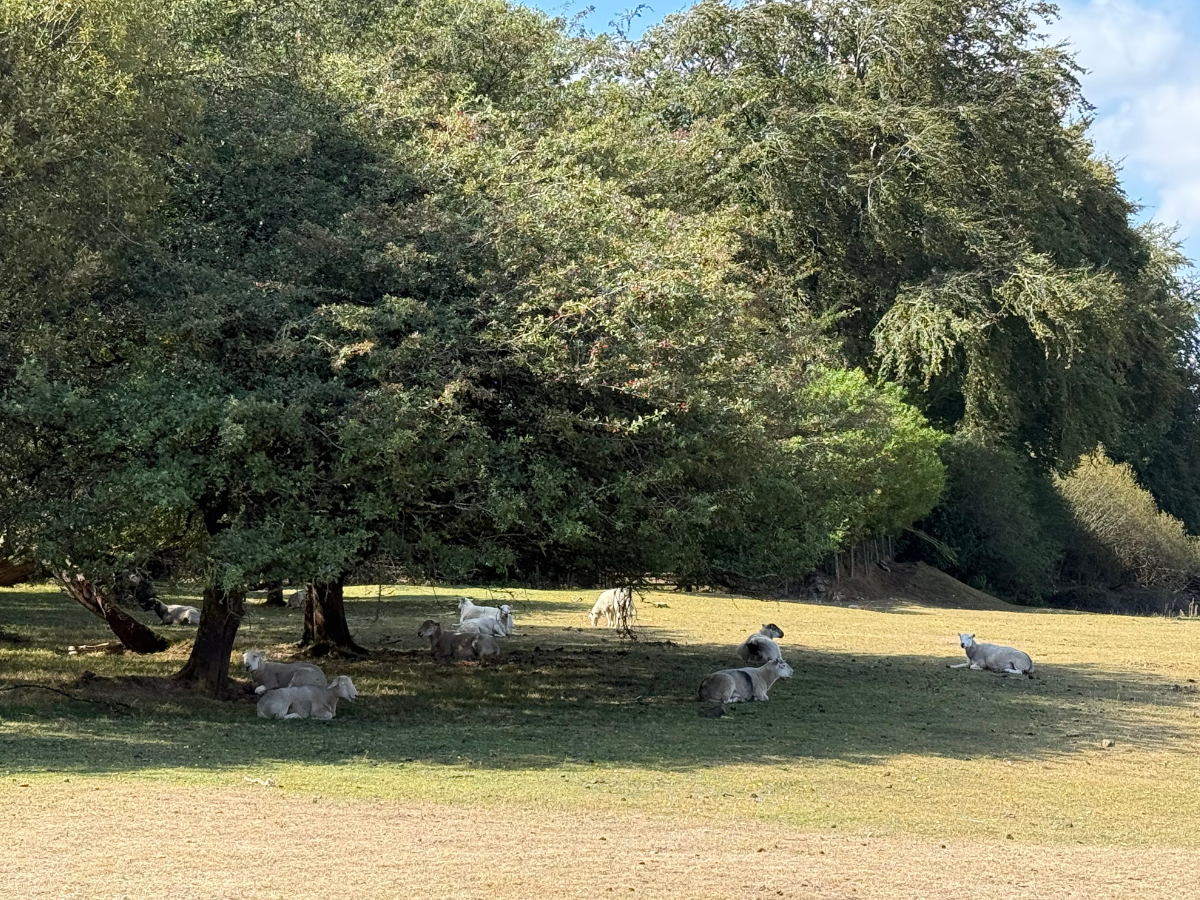
Lovely day for a stroll
There are sheep grazing beneath the trees.
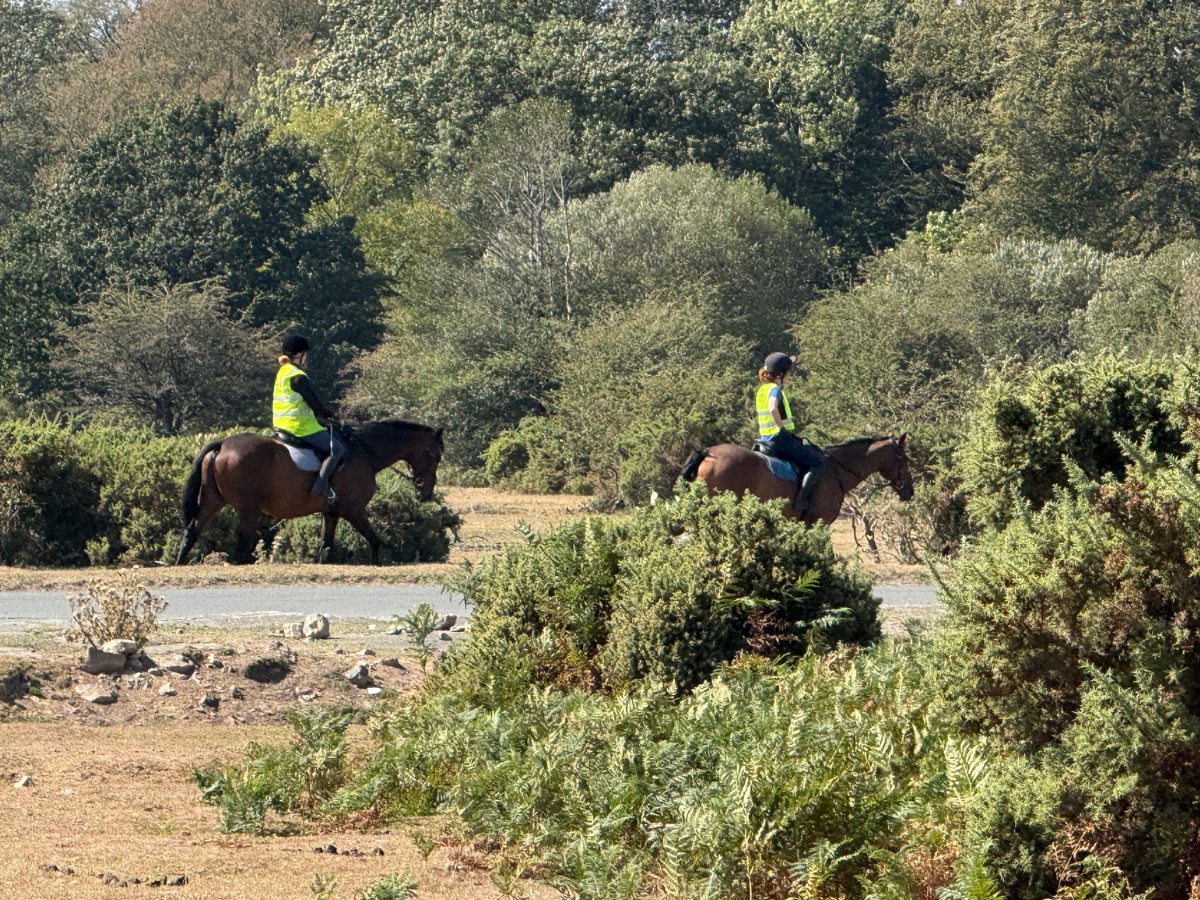
A couple of horse riders pass quietly along the edge of the old airfield.
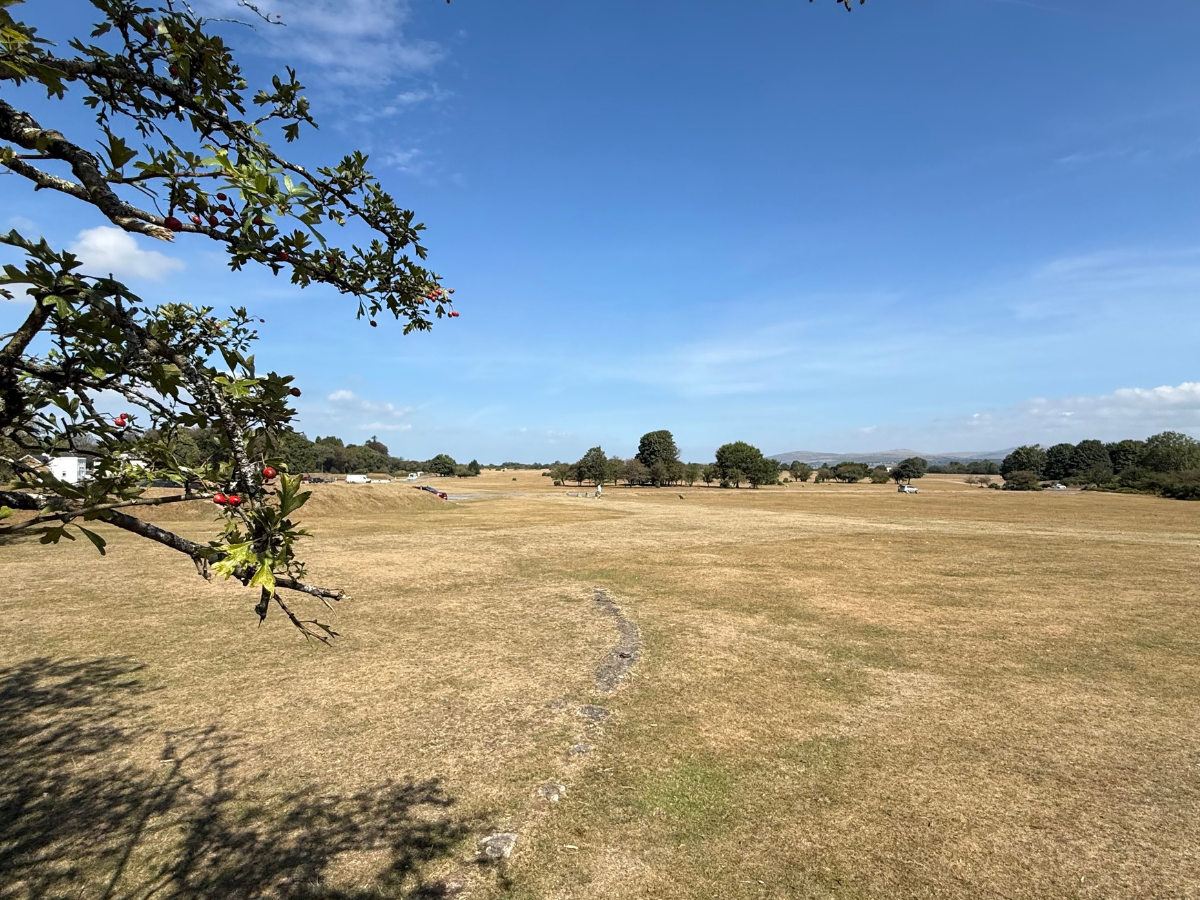
Beyond them, the landscape stretches across Dartmoor and, on a clear day, you can glimpse views of the 643ft television and radio mast at North Hessary Tor on the horizon.
It’s difficult to imagine a scene less like a wartime airfield.
Yet 85 years ago, this peaceful stretch of Roborough Down was a very different place.
This was RAF Harrowbeer.
And beneath the grass and the tarmac remnants are fragments of a remarkable story - one that connects this corner of Dartmoor directly to one of the darker chapters in Plymouth’s history.
From devastation - to take off
By the spring of 1941, Plymouth had been devastated by the Blitz.
The city had already endured months of bombing, but seven nights in March and April brought the worst of it.
More than 6,000 bombs and 205,000 incendiaries were dropped on Plymouth during those seven nights.
More than 1,100 civilians were killed, thousands more were injured, and much of the city centre was destroyed.
The aftermath
The aftermath must have been almost impossible to comprehend.
Buildings that had stood for generations had been reduced to smoking shells. Streets were choked with brick, stone, timber and twisted metal. Homes, shops, churches and businesses had simply ceased to exist.
But even as Plymouth began to clear the destruction, something else was taking shape nine miles to the north.
On Roborough Down, land had been requisitioned for a new RAF fighter station.
And the two stories were about to become physically connected.
Some of the rubble from the shattered city was transported to Yelverton and used as part of the hardcore for Harrowbeer’s new tarmac runways. Rock from quarries and mines around Tavistock was also brought in to form the foundations of the runways and roads.
There is something almost symbolic about that: the remains of a city that had been battered by war were now being given another purpose - helping create an airfield whose purpose was to defend that same city and the wider South West.
Harrowbeer takes flight
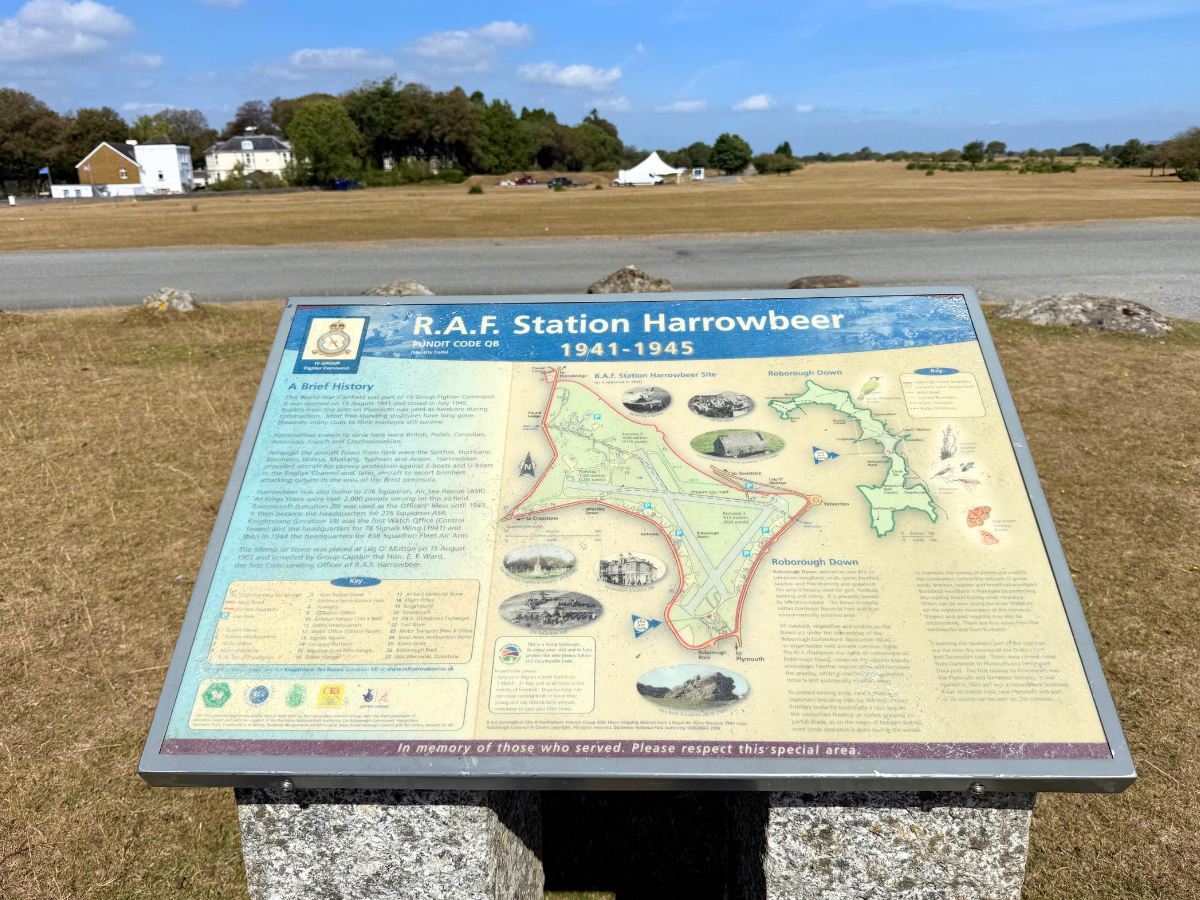
The new station officially opened on 15 August 1941 as part of No. 10 Group of RAF Fighter Command. The first aircraft landed just over two weeks later, on 31 August.
Three runways were laid out in an unusual ‘A’ formation, supported by hangars, dispersal areas and the many buildings and facilities needed to operate a busy wartime airfield. And it soon became very busy indeed.
Harrowbeer was home to squadrons flying Spitfires, Hurricanes, Blenheims, Whirlwinds, Mustangs and Typhoons. Personnel from Britain and several Allied nations served here, including Polish, Czech, Canadian, French and American personnel.

No. 276 Squadron
It wasn't simply a fighter base, either.
No. 276 Squadron's Air Sea Rescue operation was based at Harrowbeer, helping to recover aircrew from the sea and from aircraft accidents.
At times, more than 2,000 people were serving on the station.
(Image shows RAF Fighter Command, 1939-1945. No. 276 Squadron at Harrowbeer.)
For the people living around Yelverton, the transformation must have been extraordinary.
Roads were diverted. Buildings were altered or demolished. Railway stations at Yelverton and Horrabridge were used to bring in materials.
The quiet landscape of Roborough Down became a military installation filled with aircraft, vehicles and hundreds of service personnel.
The soundscape must have changed completely, too. Where you can now hear birdsong, the wind through the trees and the occasional whinny of a Dartmoor pony, there would have been the roar of Merlin engines, the movement of ground crews and the constant activity of a wartime fighter station.
Harrowbeer was involved in the wider Allied war effort throughout the conflict.
Its aircraft flew patrols and offensive operations over the Channel and occupied Europe. Czech and Polish squadrons were among those operating from the station, while Typhoons based here later played their part in the campaign leading up to and following D-Day.
The price of war
Unfortunately, not every story connected with Harrowbeer ended happily. Flying was dangerous, and accidents occurred.
Aircraft were lost, lives were lost, and the airfield’s Air Sea Rescue personnel were sometimes called upon to recover crews from crashes far beyond the perimeter of the station.
By 1944, Harrowbeer was playing its part in preparations for Operation Overlord.
After D-Day, its role as a major RAF fighter station began to diminish, although the airfield continued to see operational use until the final RAF unit, a Free French Spitfire squadron, left in 1945.
The airfield officially closed on 31 July 1945.
The war was over. And gradually, Harrowbeer began to disappear.
Gone but not forgotten
Today, it’s remarkably easy to drive straight past without realising what lies here behind the gorse hedgerows.
Much of the original airfield has gone. Buildings have disappeared, roads have changed and nature has reclaimed large parts of the site. But Harrowbeer has not completely vanished.
Sections of the original runways and taxiways remain, together with dispersal bays and other remnants of the wartime station.
Out of the ashes
The Devon & Dartmoor Historic Environment Record recognises the surviving earthwork and structural remains as part of the archaeological legacy of the Second World War airfield.
And standing here today, those remnants can be surprisingly difficult to reconcile with the history.
Sheep grazing in the shadow of trees, horses gently clip-clopping across the old airfield, dogs being walked and families kicking footballs and flying kites.
Lest we forget
On this particular sunny day in August, it’s very peaceful.
But this was once a place where young pilots climbed into fighter aircraft knowing they might never return.
Perhaps that’s what makes it so special. It’s not simply an old airfield but a physical and emotional link between Plymouth and the wider landscape that helped defend it.
Today, much of that story is hidden. But next time you travel along the A386, or find yourself walking across Roborough Down, take a closer look.
Because beneath your feet are fragments of Plymouth's darkest days - and of the remarkable effort that followed to defend it.
RAF Harrowbeer may have disappeared from the map, but it hasn't disappeared from the landscape.
And, quite literally, a little piece of Plymouth is still here.









Sources & further reading
Plymouth City Council - history of the Plymouth Blitz and its impact on the city.
RAF Harrowbeer - images, history of the airfield, its construction, squadrons and post-war remains.
Devon & Dartmoor Historic Environment Record - archaeological record of the surviving RAF Harrowbeer runways and their construction using rubble from the Plymouth Blitz.
Archive Image: By Rider-Rider (P/O), Royal Air Force official photographer - http://media.iwm.org.uk/iwm/mediaLib//53/media-53314/large.jpgThis photograph CH 9017 comes from the collections of the Imperial War Museums., Public Domain, https://commons.wikimedia.org/w/index.php?curid=24467014
NB: Positive Plymouth is not responsible for the content of external websites