
Dancing bears, boxing ‘roos, folk songs - and geese!
Tavistock Goosey Fair
The 900-year-old Tavistock tradition, with a very good Plymouth connection, takes place on the second Wednesday of every October.
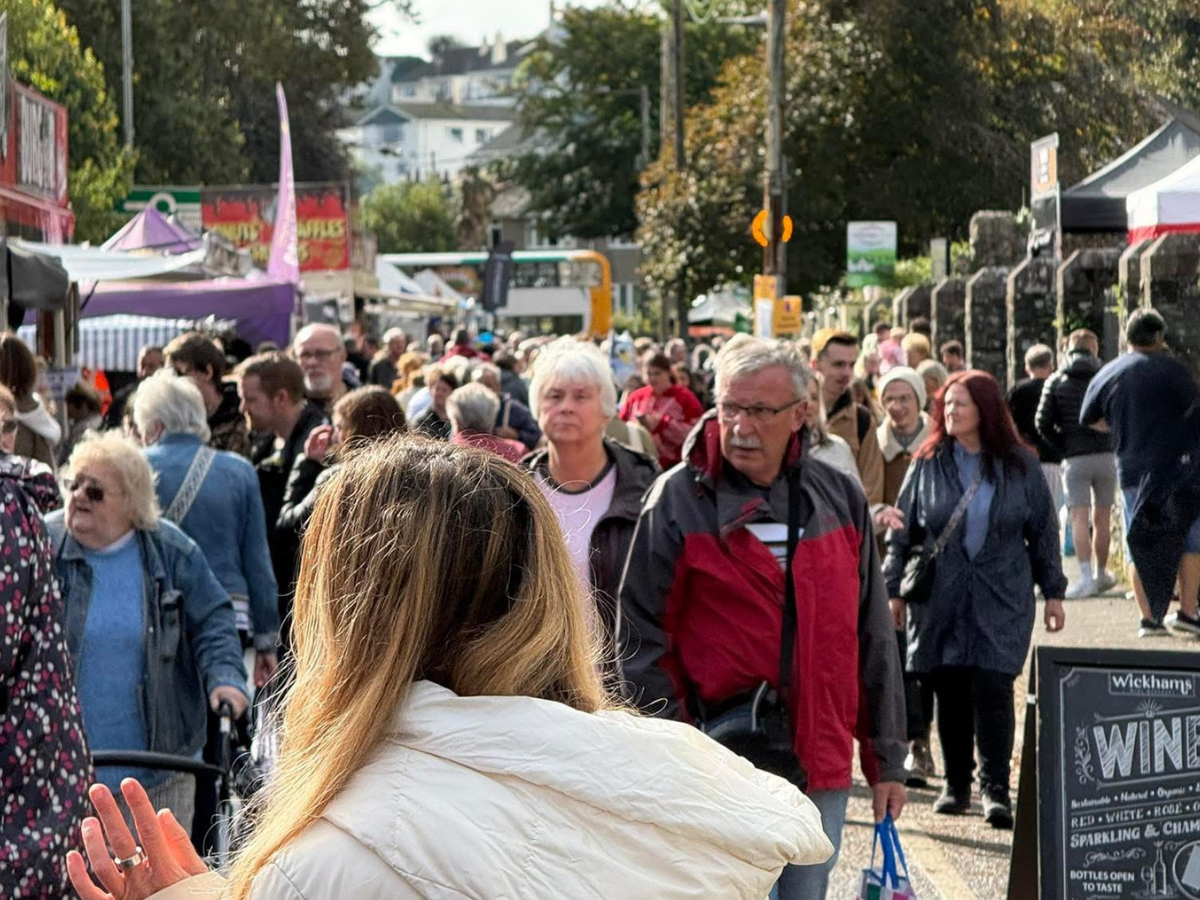
On that day, Tavistock is taken over by hundreds of stalls, food and drink, fairground rides and thousands of visitors at the annual Goose Fair.
And, if you look hard enough, you might even find a goose. So how did it all begin?
Known affectionately to many Devon people as Goosey Fair, Tavistock's annual extravaganza has been going for around nine centuries.
Its roots lie in a medieval Michaelmas fair, and its history includes Christmas dinners, railway excursions from Plymouth, travelling entertainers, dancing bears, a boxing kangaroo and even its own folk song.
It all started with Michaelmas
The origins of the fair stretch back to the early 12th century.
In those times Tavistock would hold a Michaelmas fair around the feast of St Michael and All Angels on 29 September each year.
It was a place to trade animals and goods, but also an important social occasion.
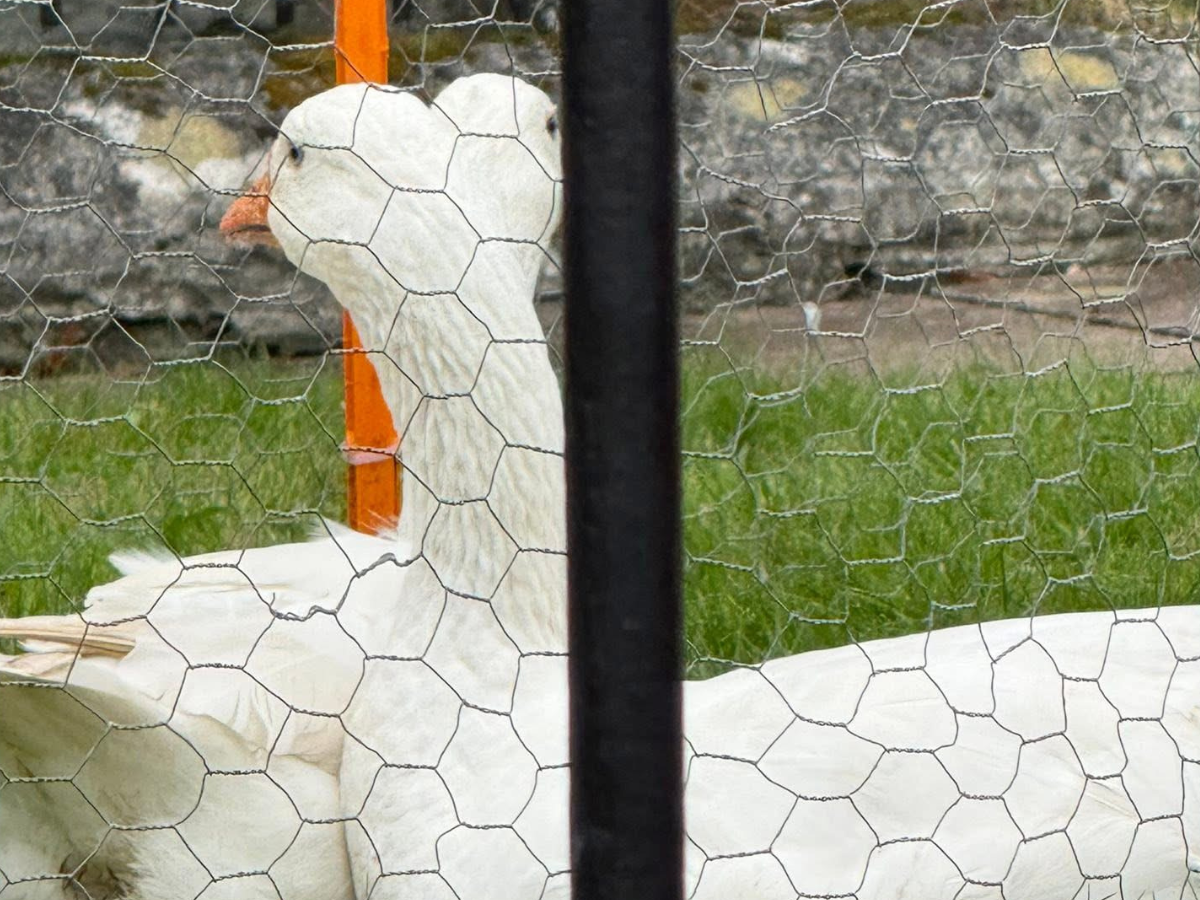
And somewhere along the way, geese became an important part of the proceedings.
The most widely accepted explanation for the name is beautifully practical: farmers would bring geese to market around Michaelmas, giving people plenty of time to fatten them up for Christmas.
So the Goose Fair wasn't originally about candyfloss and white-knuckle rides. It was, quite literally, a livestock and trading market.
The fair's traditional livestock element survives today, with geese and poultry still sold at the Tavistock Livestock Centre around Goose Fair.
Why October?
There's no big mystery here - although it does involve losing eleven days.
When Britain changed from the old Julian calendar to the Gregorian calendar in 1752, eleven days were removed to bring it back into line with the seasons.
That effectively shifted the old Michaelmas fair into the next month and today, Goose Fair always takes place on the second Wednesday of October.
Then Plymouth got involved
Tavistock's first railway arrived in 1859, with a branch line connecting the town with Plymouth.
It transformed the way people could get to the fair - and during the 1860s, it's estimated around 2,000 people travelled from Plymouth to Goose Fair by train.
So if you think of Goose Fair as a handy little day trip from Plymouth, you're following a tradition that’s more than 150 years old.
There was, however, one slight problem. Some Tavistock residents apparently weren't terribly impressed by the incursion from the nearby big city.
Historical accounts show complaints about the behaviour of some of the crowds, with Plymouth visitors apparently acquiring something of a reputation for being a bit too lively.
No! Surely not! 😉
Given that the Goose Fair was also attracting sailors from Devonport, miners, travelling showmen and others looking for a good day out, perhaps Plymouth was simply being made a convenient scapegoat.
All the fun of the fair
The entertainment at Goose Fair became increasingly colourful during the 19th and early 20th centuries.
Travelling performers, theatrical attractions, fortune tellers and sideshows joined the stalls.
There were performing animals, including dancing bears and lions, while later generations could enjoy boxing booths, the Wall of Death and other decidedly hair-raising attractions.
The first Dodgem cars arrived in 1930. And one historical account records an even more extraordinary attraction: a boxing kangaroo.
Quite what the rules were, or whether the kangaroo had a licence, remains unclear.
All aboard
The railway connection with Plymouth wasn't just a useful way of getting people to Tavistock. It became part of the character of Goose Fair itself.
That first railway line was eventually followed by another route from Plymouth to Tavistock in 1890, which formed part of the route between Plymouth and London Waterloo until 1968.
Today, we can drive to Tavistock in around half an hour. Back then, getting on a train was an event in itself.
And if the historical accounts are anything to go by, the journey home after Goose Fair could be considerably more entertaining than the journey there.
In verse and song
In 1912, a song called “Tavvystock Goozey Vair” was published, with words and music by C. John Trythall.
Written in broad Devon dialect, it tells the story of two men setting off across Dartmoor for the fair in their Sunday clothes.
At one point, they arrive in Tavistock and discover what appears to them to be the entire population of Devon gathered there.
“Ut sim to we arl Deb'n mus' be to Tavvystock Goozey Vair.”
Or, roughly translated:
“It seemed to us all Devon must be at Tavistock Goosey Fair.”
It seems a remarkably good description of Goose Fair then. And, on a busy October Wednesday, it still might be.
Sweet success
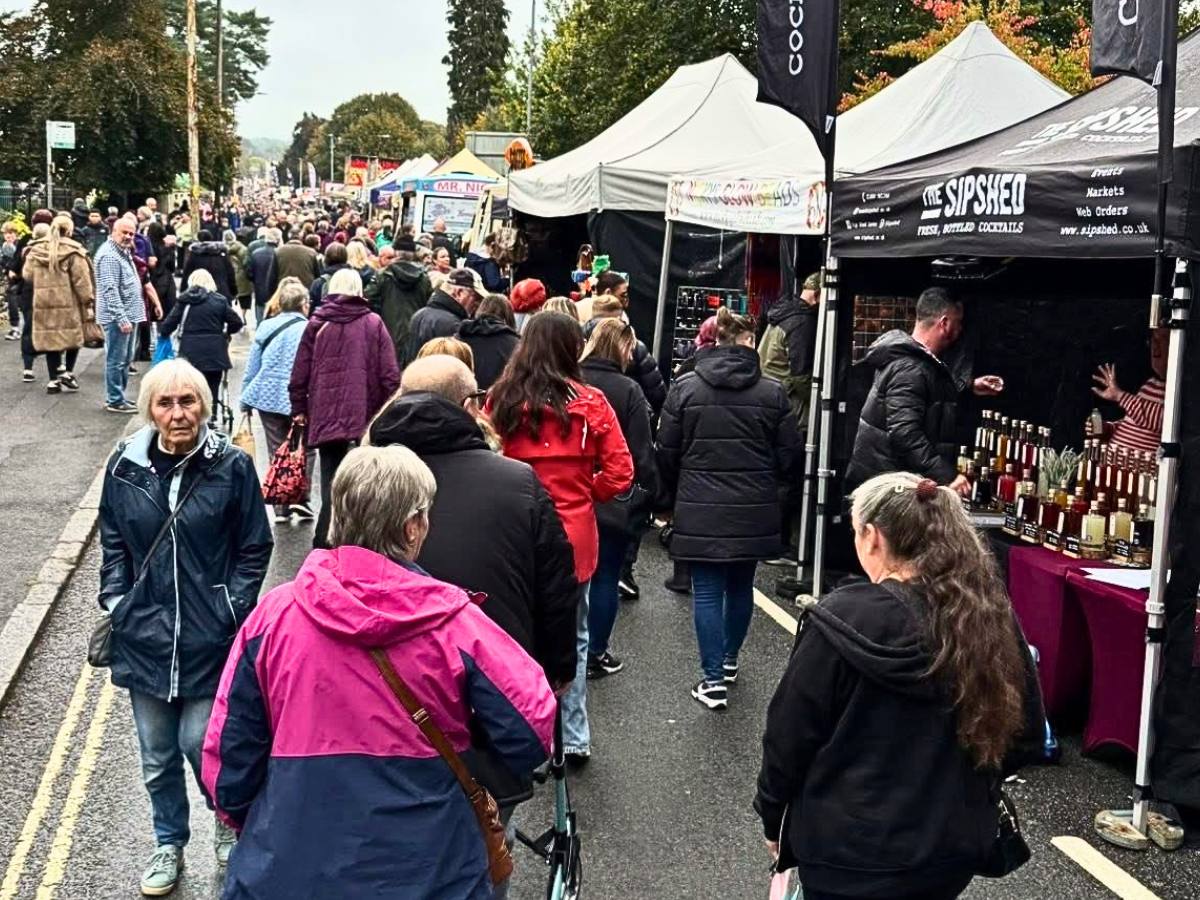
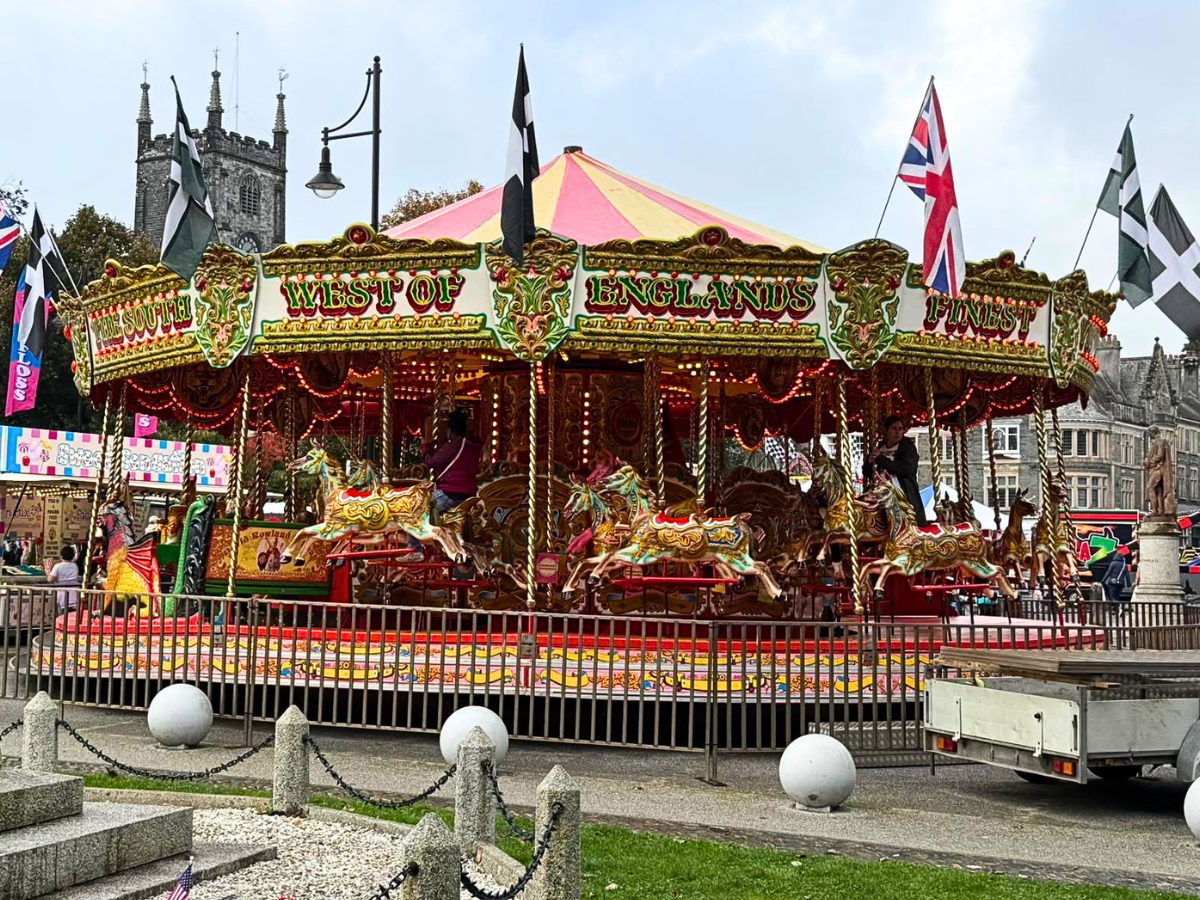
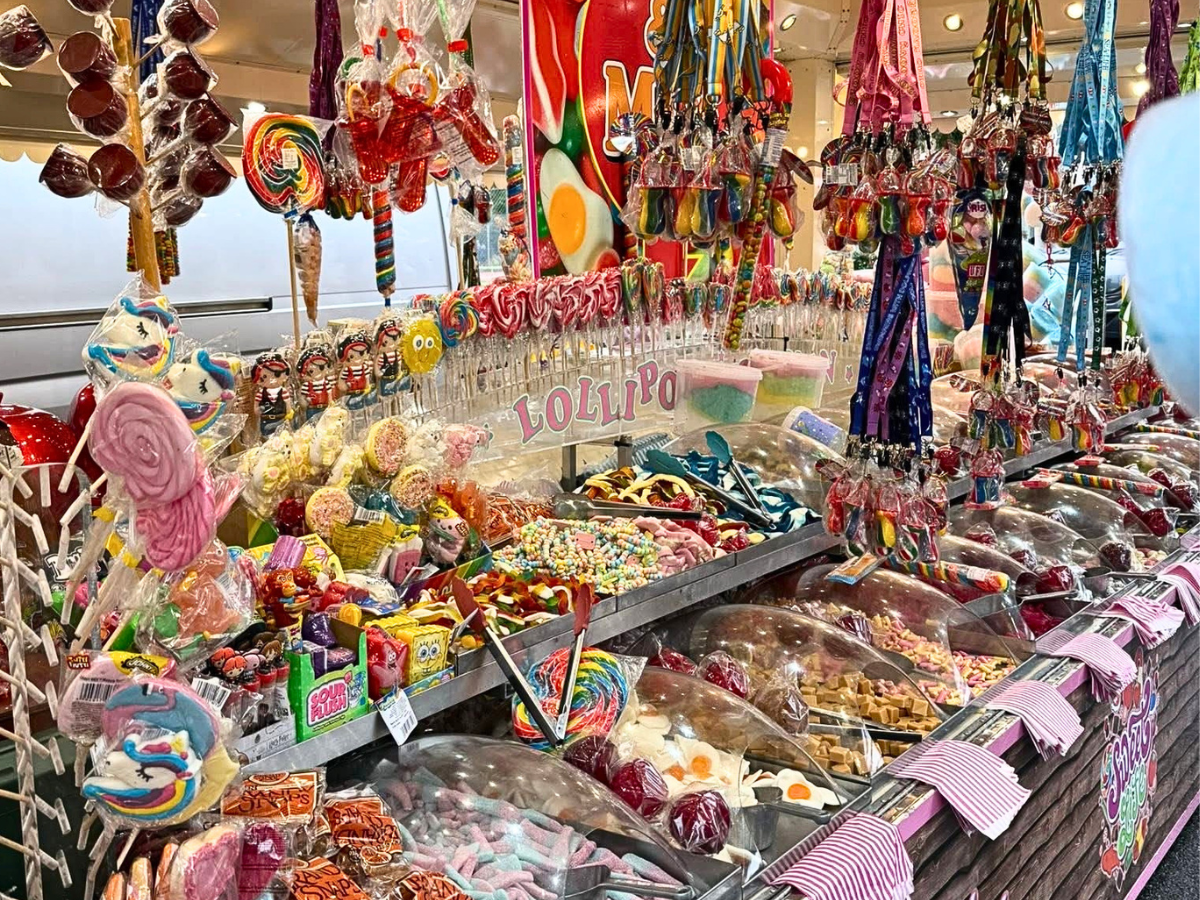
Today, the streets are lined with around 200 stalls and community stands, while the fairground brings traditional rides and children's attractions to the town.
There's food, drink, crafts, sweets, clothing, curiosities and just about everything else you might expect to find when hundreds of traders descend on a West Country market town.
Which means the modern Goose Fair is a fascinating mixture of old and new.
And, yes, there are still geese. You may just need to take a short walk to the livestock centre to find them.
A bit of Goose Fair history in Plymouth
There's another connection that brings the story full circle. A 1975 Westward Television report on Tavistock Goose Fair is now part of the South West Film and Television Archive, whose collection was transferred to The Box in Plymouth in 2018.
And in 1977, television producer and presenter Clive Gunnell made ‘To Tavistock Goosey Fair’, a documentary for Westward Television which went on to win an award for best regional documentary television programme.
So some of the story of Tavistock's great annual fair isn't merely something people from Plymouth have travelled to see. Part of it is preserved here too.
Go and ‘take a gander’
OK, cheesy headline, guilty as charged, your honour!
Goose Fair takes place on the second Wednesday of October each year.
Pop along for the history, the shopping, the food, the drinks, the rides, the people-watching or simply because you've never been and are wondering what all the fuss is about.
And if you do go, keep an eye out for the geese. After nearly 900 years, they're still there.
It’s just that these days they have to compete rather harder for your attention.





Source material & further reading
NB: Positive Plymouth is not responsible for the content of external websites